
Explore the critical role that cutting edges play in the effectiveness and efficiency of snow plows. From understanding their function to maintenance tips, we will address common questions surrounding this essential component.
What Are Cutting Edges and Why Are They Important?
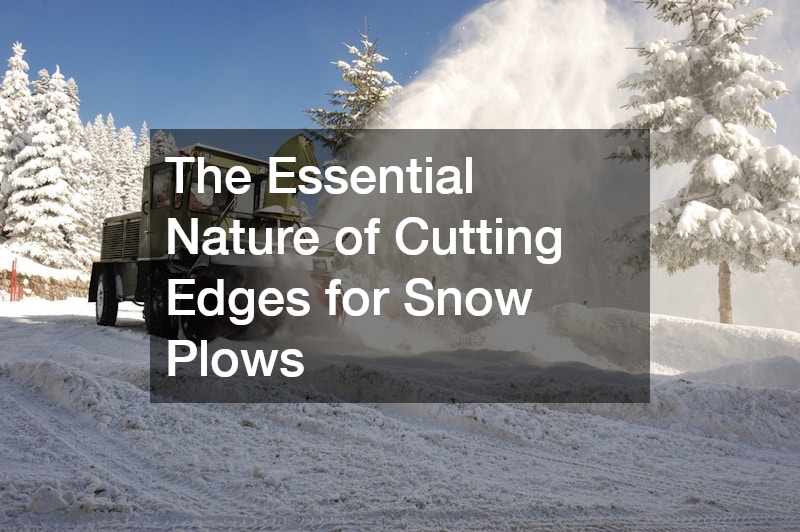
The cutting edge of a snow plow is the primary component that comes into contact with snow and ice. It is crucial for the effective removal of accumulated snowfall, ensuring roads and pathways are clear and safe.
Without a reliable cutting edge, snowplowing operations would be inefficient, leading to potentially hazardous conditions.
A cutting edge ensures that snow is effectively pushed aside rather than merely moved around. Its design and material contribute significantly to the success of a snow plow in various conditions, including packed snow and icy surfaces. Understanding the significance of cutting edges allows operators to appreciate how these components can improve overall plowing effectiveness.
In essence, the cutting edge acts as the last line of defense against icy or snowy road conditions. Properly maintained and high-quality cutting edges reduce the need for additional treatments or lengthy labor hours, leading to more efficient snow removal operations and safer environments for all road users.
How Do Different Materials Affect Cutting Edge Performance?
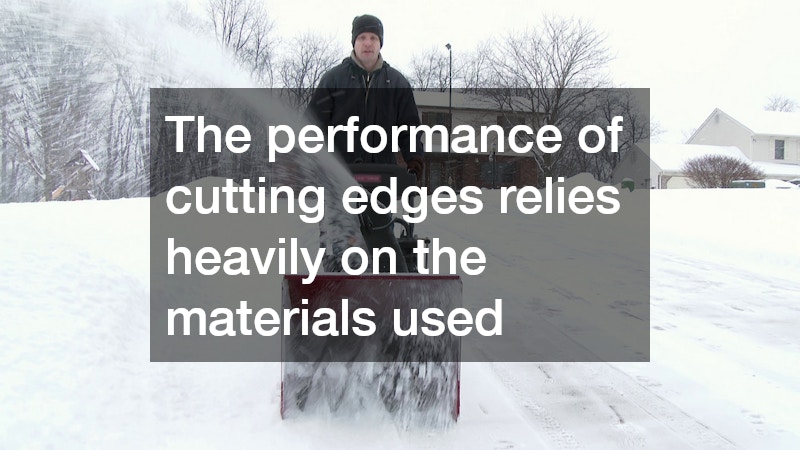
The performance of cutting edges relies heavily on the materials used in their construction. Steel and polymer are the two most commonly utilized materials, each with its distinct advantages and disadvantages. Steel offers strength and durability, while polymer edges provide flexibility and less friction against surfaces.
Casting, heat treatment, and coating processes further enhance the performance characteristics of steel cutting edges. For example, high-carbon steel provides increased hardness, contributing to a longer lifespan, while tempered steel cuts through ice effectively without excessive wear. Understanding the material properties helps operators choose the best options based on their typical plowing conditions.
Moreover, polymer cutting edges reduce stress on plow mounts and protect the pavement by minimizing damage during operation. These edges are lighter and can help in fuel efficiency; they are especially beneficial in environments that require frequent plowing. By analyzing the pros and cons of various materials, operators can select optimal cutting edges tailored to their specific needs and conditions.
What Is the Ideal Thickness and Design for Cutting Edges?
The thickness of a cutting edge is critical as it directly impacts its ability to penetrate snow and ice. A thicker edge can provide more substantial contact pressure, which improves performance in tough conditions. However, this needs to be balanced against the potential for increased wear and damage to the plow and the road surface.
Various designs are available, from straight rectangular shapes to curved and angled profiles. Each design serves different purposes and can influence how efficiently snow is removed. A curved edge, for example, allows for better snow shedding, while straight edges might offer more effective scraping of packed snow.
Additionally, certain designs incorporate features that facilitate easier snow movement and greater surface contact. This optimization results in decreased resistance during plowing, ultimately leading to improved efficiency and reduced fuel consumption. Awareness of these design nuances can significantly enhance plow performance across a variety of environmental conditions.
How Often Should Cutting Edges Be Replaced or Maintained?
Regular maintenance is essential for cutting edges to ensure optimal functionality throughout the snow removal season. Operators should conduct inspections post-plowing to assess edge wear and identify any signs of damage. Recognizing when a cutting edge needs servicing or replacement is vital for maintaining effective snow-clearing operations.
Replacement schedules can vary based on factors such as usage frequency, material type, and the nature of plowing conditions encountered. For instance, areas that experience heavy snowfall may require more frequent replacements compared to regions with light, infrequent snow. Keeping track of wear patterns will help operators establish a tailored maintenance routine.
Signs that cutting edges need replacement include visible wear, chipping, and reduced effectiveness in snow removal. Regularly assessing these factors ensures that operators can avoid a decline in performance, thereby preventing unsafe road conditions and costly downtime due to plow failure. Establishing a proactive maintenance schedule is crucial for winter operations.
What Are the Latest Innovations in Cutting Edge Technology?
Recent advancements in cutting edge technology have paved the way for more efficient and durable options. Innovations include advanced materials engineered to withstand extreme temperatures and increased stress during operations. These materials not only improve performance but also extend the lifespan of cutting edges significantly.
New design features are also being integrated into cutting edges, such as adjustable angles and replaceable edge sections. These improvements enhance control and allow operators to adapt quickly to varying snow and ice conditions. Such versatility increases the overall effectiveness and efficiency of snow removal operations.
Finally, the integration of smart technologies and data analytics is emerging, permitting better monitoring and predictive maintenance of cutting edges. Sensors can provide real-time data on wear patterns, helping operators make informed decisions about replacement and maintenance schedules. As technology continues to evolve, cutting edges are expected to become even more specialized and efficient.
Cutting edges are vital to the effectiveness of snow plows. Their material composition, designed thickness, and innovative technology contribute significantly to snow removal efficiency. Knowledge about their construction and maintenance enables operators to make informed decisions, ensuring optimal functioning for better winter maintenance.