

A smile is one of the first things people notice, and for many of us, it quietly shapes how confident we feel walking into a room. Research has long linked self-perceived appearance to mood, social behavior, and even career outcomes, yet smile confidence is rarely discussed as a mental health topic. Whether you are a parent watching a child cover their mouth when they laugh, or an adult who has avoided photos for years, understanding this connection can help you take practical steps forward.
This article explores how smile confidence develops across different life stages and what you can do to support it at every age.
How Childhood Smile Habits Shape Lifelong Self-Esteem
The foundation of smile confidence is often built before a child turns ten. Kids who feel good about their teeth tend to smile more freely in photos, at school, and with friends, which reinforces positive social feedback and builds self-assurance over time. On the other hand, visible dental issues like gaps, discoloration, or crowding can lead to teasing, which sometimes causes children to suppress their natural smile. This suppression can become a lasting habit that follows them into adolescence and adulthood.
Parents play a major role in catching concerns early and normalizing dental care as routine rather than stressful. Finding a kids dentist who specializes in making visits comfortable can make a measurable difference in how children feel about their teeth and about seeking care in general. A positive early experience often translates into healthier attitudes about appearance and self-care later in life.
- Children often mimic the emotional tone their parents bring to dental visits
- Early praise for a child’s smile can reinforce positive self-image
- Teasing about teeth is a common but under-discussed source of childhood anxiety
- Comfortable, low-stress dental environments help reduce long-term dental fear
Why Teenage Years Intensify Smile Self-Consciousness
Adolescence is a particularly sensitive period for smile confidence because teenagers are hyper-aware of social comparison, especially on camera and social media. Braces, retainers, or natural changes in tooth alignment can feel magnified during a time when fitting in matters deeply. Many teens report hiding their smiles in photos or speaking with their hand near their mouth, small behaviors that can quietly chip away at social confidence.
Unlike younger children, teenagers are often more aware of long-term consequences, which can make them more receptive to open conversations about options. Encouraging teens to express concerns rather than internalize them can prevent avoidance behaviors from becoming ingrained. Supportive, judgment-free conversations at home often matter as much as any clinical treatment.
- Social media increases exposure to idealized smiles, raising self-comparison
- Teens may avoid speaking up in class or smiling in group photos
- Orthodontic treatment during the teen years can have lasting confidence benefits
- Peer reactions carry significant weight during adolescent identity formation
How Adult Smile Insecurity Affects Daily Confidence
By adulthood, smile-related insecurity often shows up in subtle but persistent ways, such as avoiding laughter in professional settings or declining to be photographed at events. Studies on first impressions consistently show that a natural, relaxed smile is associated with perceived trustworthiness and approachability. When someone feels self-conscious about their teeth, they may unconsciously project less warmth, which can affect both personal and professional relationships.
Many adults carry smile insecurities from childhood or develop new concerns due to staining, wear, or misalignment that changes gradually over the years. Unlike temporary trends, these concerns tend to be rooted in genuine physical changes that are worth addressing rather than ignoring. Recognizing the pattern is often the first step toward making a change that feels sustainable rather than purely cosmetic.
- Self-conscious smiling can be misread as disinterest or unfriendliness
- Workplace confidence is often linked to comfort with one’s appearance
- Gradual dental changes are common and typically treatable
- Avoiding photos or social events can signal deeper smile-related anxiety
What Treatment Options Exist for Smile-Related Anxiety
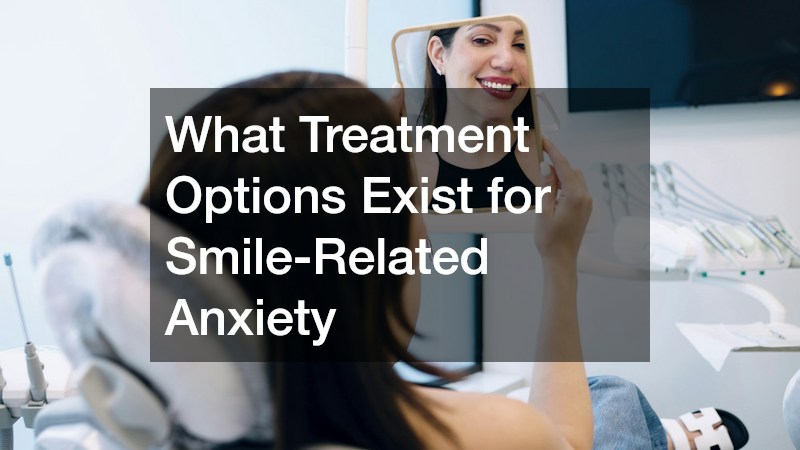
For adults ready to address long-standing smile concerns, professional guidance can clarify which options actually fit their needs rather than relying on guesswork or trends. A cosmetic dentist can evaluate alignment, color, and wear patterns to recommend solutions ranging from simple whitening to more comprehensive restorative work. This kind of personalized assessment often feels more manageable than people expect, especially once they understand the range of non-invasive options available.
It is worth noting that addressing smile concerns is not about chasing perfection but about reducing the mental weight of self-consciousness. Many people report feeling lighter and more socially at ease after addressing even minor concerns they had lived with for years. The emotional return on these changes often outweighs the physical one.
- Whitening and bonding are common low-commitment starting points
- Clear aligners offer a discreet option for adult alignment concerns
- Veneers can address shape, color, and minor spacing issues
- A consultation helps clarify realistic timelines and costs
How Smile Confidence Impacts Mental Health in Older Adults
Smile confidence does not fade in importance with age; if anything, it becomes tied to broader feelings of vitality and social connection. Older adults experiencing tooth loss, gum recession, or discoloration may withdraw from social activities, which can contribute to isolation and lowered mood. Since social engagement is strongly linked to cognitive and emotional health in later life, smile-related withdrawal carries real consequences beyond appearance.
Maintaining oral health in older age also supports better nutrition, clearer speech, and more natural facial expression, all of which reinforce a sense of normalcy and confidence. Many older adults find that addressing dental concerns renews their willingness to engage socially, attend gatherings, and reconnect with friends or family. Confidence at this stage is less about vanity and more about staying connected to life.
- Tooth loss can affect speech clarity and social participation
- Restorative options exist for nearly every stage of dental wear or loss
- Social withdrawal due to appearance concerns is linked to loneliness
- Maintaining oral health supports nutrition and overall well-being
Conclusion
Smile confidence is not a superficial concern but a thread that runs through self-esteem, social connection, and emotional well-being at every life stage. Recognizing the signs of smile-related anxiety, whether in a child, teenager, adult, or older family member, is the first step toward meaningful change. Small, informed actions, from early dental visits to addressing long-standing adult concerns, can have a lasting impact on how freely someone feels able to express themselves. If smile confidence has been holding you or someone you love back, consider it a worthwhile area to explore further.