


Watching a teenager struggle with their mental health is one of the hardest experiences a parent can face, especially when the usual advice to “just get them into therapy” doesn’t seem to be working. Weekly fifty-minute sessions are an excellent starting point for many adolescents, but they are not always enough to address deeper or more urgent struggles. Knowing when to consider additional support can feel confusing, overwhelming, and even a little frightening. This article breaks down the warning signs that suggest your teen may need more intensive care, so you can make an informed decision before a crisis forces your hand.
Escalating Self-Harm or Suicidal Thoughts
One of the clearest indicators that weekly therapy is not sufficient is any escalation in self-harm behaviors or suicidal ideation. If your teen has moved from passive thoughts of not wanting to exist to actively researching methods, giving away possessions, or making statements about a plan, this is a medical emergency, not something to monitor over the next few sessions. Self-harm that increases in frequency or severity, even if your teen insists it is “not a big deal,” signals that their current coping resources are overwhelmed.
Parents often hesitate to ask direct questions out of fear of “putting ideas in their head,” but research consistently shows the opposite is true. Asking directly and calmly opens the door for honesty rather than closing it.
- New or worsening cuts, burns, or bruises in patterns that suggest self-infliction
- Statements like “everyone would be better off without me”
- Sudden calmness after a period of severe depression, which can precede an attempt
- Giving away cherished belongings or saying goodbye in unusual ways
- Increased secrecy around their body, clothing choices, or time alone
Repeated Hospitalizations or Emergency Room Visits
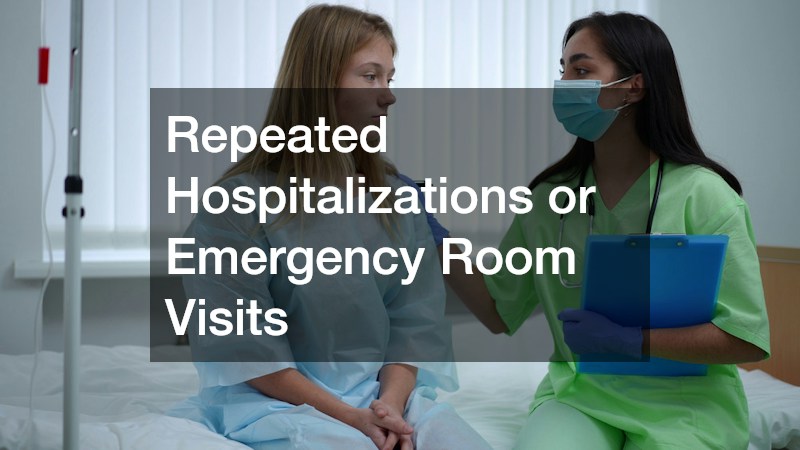
If your family has made more than one trip to the emergency room for a mental health crisis in the past year, that pattern itself is important data. Emergency rooms are designed to stabilize acute crises, not to provide the ongoing structure a teen needs to actually heal. When a teen is discharged from the hospital only to return to the same environment, same triggers, and same once-a-week therapy schedule, it is common to see the same crisis repeat itself within weeks or months.
A cycle of crisis, stabilization, and relapse often means the teen needs a higher level of care that offers daily therapeutic support rather than an hour a week. This is frequently the point where families begin researching a residential treatment center, since it provides round-the-clock structure, medical oversight, and therapeutic programming that outpatient therapy simply cannot replicate. Making this shift earlier, rather than after a third or fourth hospitalization, can prevent further trauma and help a teen build lasting stability.
Significant Decline in Daily Functioning
Mental health struggles that stay contained to “bad moods” are different from those that start dismantling a teen’s entire daily life. When a teenager can no longer get out of bed for school, has stopped bathing or eating regularly, or has withdrawn entirely from friends and activities they once loved, their mental health is actively taking over basic functioning. This level of impairment usually cannot be reversed by an hour of talk therapy each week, no matter how skilled the therapist is.
Functional decline tends to build gradually, which makes it easy for families to normalize it until the change becomes severe. Tracking specific, measurable changes over a few weeks can help you see the trend more clearly than relying on memory alone.
- Failing grades or frequent school absences that are new for this teen
- No longer showering, changing clothes, or maintaining basic hygiene
- Sleeping twelve or more hours a day, or barely sleeping at all
- Complete withdrawal from friends, sports, or hobbies they used to enjoy
- Inability to complete simple daily tasks like chores or homework
Substance Use as a Coping Mechanism
Many teens with untreated or undertreated mental health conditions turn to alcohol, marijuana, vapes, or other substances to numb emotional pain. When substance use starts appearing alongside anxiety, depression, or trauma symptoms, the two issues tend to feed each other in a cycle that outpatient therapy alone often cannot break. A teen who is using substances regularly may also struggle to engage honestly in a weekly session, since much of what they discuss may be filtered through shame or minimization.
It is worth noting that substance use in teens is rarely about seeking a thrill; more often it reflects an attempt at self-medication for an underlying issue. Addressing only the substance use, or only the mental health symptoms, without treating both together tends to result in short-lived progress.
- Smell of alcohol or marijuana, or unexplained items like vape pens
- Sudden change in friend groups paired with secrecy about plans
- Stealing money or valuables, possibly to fund substance use
- Mood swings that seem tied to use and withdrawal cycles
- Defensive or evasive responses when asked about substances
Family Conflict That Therapy Cannot Resolve
Sometimes the clearest sign that more support is needed is not a single dramatic symptom but a household that has become consumed by conflict. When every conversation turns into a screaming match, when siblings are suffering collateral damage, or when parents feel they are walking on eggshells in their own home, weekly therapy sessions may not have enough bandwidth to address the full scope of what is happening. A single hour with a therapist cannot undo patterns that play out every day across an entire family system.
At this stage, families often benefit from a program that incorporates family therapy intensively alongside the teen’s individual treatment, rather than as an occasional add-on. Addressing the dynamics at home alongside the teen’s internal struggles gives everyone a better chance at lasting change once the teen returns to daily life.
- Constant arguing that escalates quickly and rarely resolves
- Siblings showing signs of stress, anxiety, or resentment
- Parents feeling afraid of their teen’s reactions or moods
- Communication that has broken down almost entirely
- A sense that the home environment itself has become unsafe emotionally
Recognizing that your teen needs more than weekly therapy is not a sign of failure, either on your part or theirs; it is simply a signal that their needs have outgrown the current level of care. If you notice several of these signs overlapping, the most helpful next step is an honest conversation with a mental health professional who can assess the full picture and recommend an appropriate level of care. Trust your instincts as a parent, and remember that asking for more support now can prevent a much harder crisis later.