
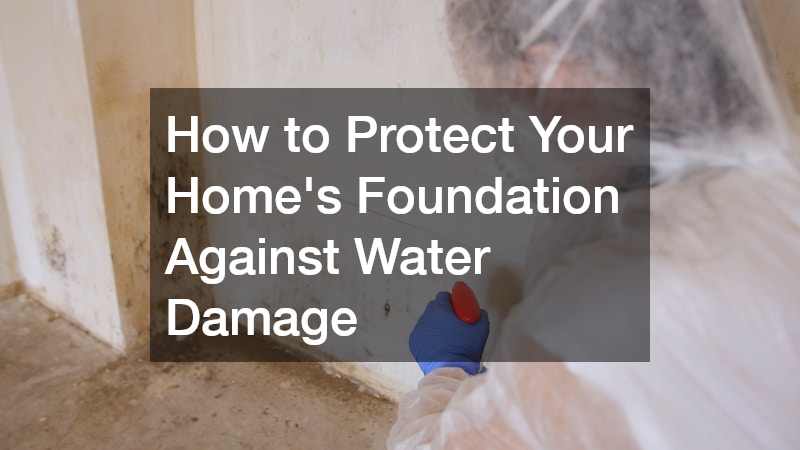

A cracked foundation doesn’t happen overnight, and by the time you notice bowing walls, sticking doors, or musty odors, water has likely been working against your home for months or years. Foundation damage from water intrusion is one of the most expensive problems a homeowner can face, often costing tens of thousands of dollars to repair once it progresses. The good news is that most foundation water damage is preventable with the right combination of maintenance, monitoring, and timely repairs. This guide walks through the practical steps you can take today to protect the structure beneath your home before small issues become major ones.
The Hidden Costs of Foundation Water Damage
Water damage to a foundation rarely announces itself with a dramatic event. Instead, it creeps in slowly through hairline cracks, poor drainage, or slow leaks that go unnoticed for long stretches of time. Over months and years, this moisture weakens concrete, erodes soil support, and can lead to shifting that affects everything from your windows to your roofline. Understanding how water moves around and under your home is the first step toward stopping it before it causes structural harm.
Many homeowners assume foundation problems are rare or only happen to older homes, but new construction is just as vulnerable if drainage and waterproofing were not handled correctly during the build. Soil type, climate, and even landscaping choices all play a role in how much water pressure builds up against your foundation walls. Left unaddressed, this pressure can cause cracking, bowing, and even complete structural failure in severe cases. Being proactive costs far less than reactive repairs, both in money and stress.
Keeping Water Away with Proper Roof Drainage
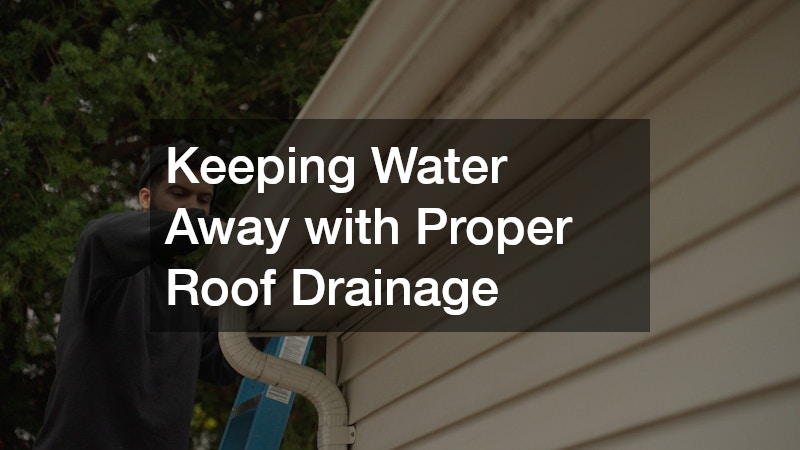
Your roof and gutters are your foundation’s first line of defense, even though they seem worlds apart. When gutters are clogged or improperly sloped, rainwater cascades down the side of your house and pools directly at the base of your foundation instead of being carried safely away. Over time, this repeated saturation softens the soil and increases hydrostatic pressure against basement walls. A reliable roofing service can inspect your gutter system, downspouts, and roof slope to make sure water is being channeled at least several feet away from your home’s perimeter.
If your roof itself is aging, damaged, or missing shingles, water can infiltrate in ways that eventually affect drainage patterns around your entire home. Bringing in a roofing contractor for a seasonal inspection helps catch small issues, like lifted flashing or sagging gutters, before they contribute to foundation problems. Addressing roof-level water management is often overlooked, but it is one of the most cost-effective ways to reduce the volume of water reaching your foundation walls in the first place.
- Clean gutters at least twice a year to prevent overflow near the foundation
- Extend downspouts so water discharges five to ten feet away from the house
- Check for granule loss or curling shingles that signal roof aging
- Inspect flashing around chimneys and vents for gaps that let water in
Grading Your Yard to Redirect Water
The slope of your yard has a huge influence on where rainwater ends up. Ideally, the ground should slope away from your home at a gentle but consistent grade for at least six to ten feet. If your yard slopes toward the house instead, even a moderate rainstorm can send gallons of water rushing toward your foundation walls. Regrading problem areas, adding soil where needed, and avoiding mulch beds that trap moisture against the house are simple fixes with a big payoff.
Landscaping choices matter too, since large trees planted too close to the foundation can cause root intrusion while their canopies redirect rainwater unpredictably. Rock beds, French drains, and dry creek beds can all be used strategically to move water away from vulnerable areas. Taking a walk around your property during a heavy rain can reveal exactly where water pools or flows, giving you a clear picture of what needs correcting.
Basement Waterproofing Solutions for Long-Term Protection
Even with excellent drainage above ground, some homes still need additional protection below grade, especially those with basements or crawl spaces. Basement waterproofing involves a combination of interior and exterior strategies, including sealants, drainage systems, and sump pumps, designed to keep water from ever reaching your living space. Homes in areas with high water tables or heavy clay soil are especially prone to seepage and benefit greatly from a proactive waterproofing assessment.
A thorough waterproofing plan often includes interior drain tile systems that collect water and direct it to a sump pump, along with exterior membrane coatings applied during excavation. While exterior waterproofing tends to be more effective long-term, it is also more invasive and costly, so many homeowners start with interior solutions and expand as needed. Investing in this kind of protection early can prevent thousands of dollars in repairs down the road.
- Install a sump pump with battery backup for power outage protection
- Seal visible cracks in basement walls and floors promptly
- Consider interior drain tile systems for chronic seepage issues
- Evaluate exterior membrane waterproofing during major renovations
Spotting and Fixing Plumbing Leaks Early

Not all foundation moisture comes from outside; sometimes the source is a slow leak in your home’s plumbing system. Pipes running beneath slabs or through basement walls can develop small leaks that saturate soil or concrete over time without any visible sign until damage is already underway. A licensed plumbing contractor can perform pressure tests and camera inspections to identify leaks that aren’t obvious from a quick visual check.
Warning signs of a hidden plumbing leak include unexplained increases in your water bill, damp spots on floors or walls, and a persistent musty smell in certain rooms. Catching these issues early not only protects your foundation but also prevents the kind of water damage that leads to mold growth and rotting wood. Scheduling an annual plumbing inspection is a small investment compared to the cost of repairing a compromised foundation.
Septic System Maintenance and Foundation Safety
If your home relies on a septic system, its condition directly affects the soil and moisture levels around your property. A failing septic tank or drain field can saturate the surrounding ground, and if that system is located too close to your foundation, the excess moisture can migrate toward your home’s footing. Reliable septic system services include regular inspections to check for leaks, backups, or signs of a failing drain field before they become bigger problems.
Routine septic pumping is one of the simplest ways to prevent overflow and system failure, and most experts recommend having tanks pumped every three to five years depending on household size and usage. Skipping this maintenance can lead to backups that saturate your yard and eventually seep toward your foundation, especially in homes with clay-heavy soil that doesn’t drain well. Keeping septic maintenance on a regular schedule protects both your plumbing and your home’s structural stability.
- Schedule septic pumping every three to five years as a baseline
- Avoid planting trees near drain fields to prevent root damage
- Watch for slow drains or sewage odors as early warning signs
- Keep septic system records to track maintenance history over time
HVAC Systems and Moisture Control

Your heating and cooling system plays a bigger role in foundation health than most people realize, particularly when it comes to humidity control. Poorly maintained HVAC contractors and equipment failures can lead to excess condensation, which drips into crawl spaces or basements and adds to existing moisture problems. Ensuring your system is properly sized and maintained helps regulate indoor humidity levels, which in turn reduces the moisture load your foundation has to deal with.
Furnaces and their associated ductwork can also contribute to water issues if condensate lines are clogged or improperly installed, allowing water to pool near mechanical rooms often located in basements. Scheduling routine furnace repairs services ensures that condensate drainage is functioning correctly and that your system isn’t inadvertently adding to basement dampness. A well-maintained HVAC system supports both energy efficiency and a drier foundation environment.
- Check condensate lines regularly for clogs or leaks
- Maintain indoor humidity between 30 and 50 percent when possible
- Replace HVAC filters on schedule to keep systems running efficiently
- Have ductwork inspected for leaks that release moisture into crawl spaces
Electrical Safety When Water Meets Wiring
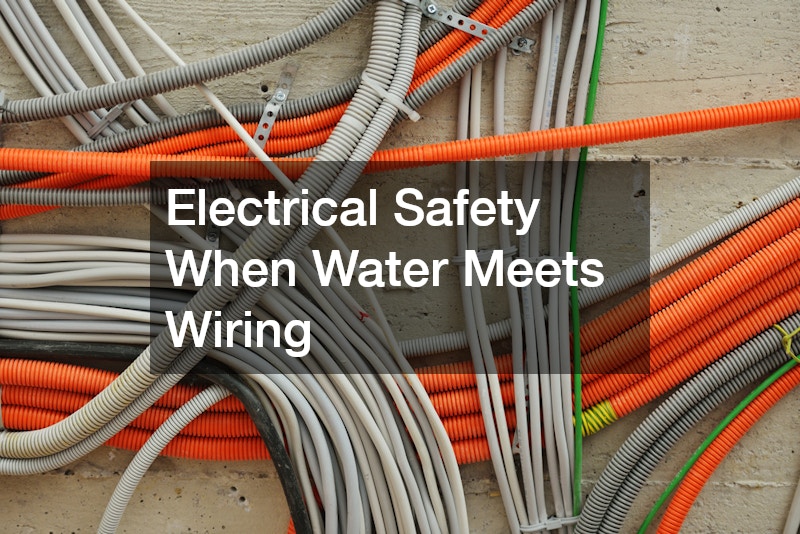
Water intrusion around your foundation doesn’t just threaten concrete and framing, it can also create serious electrical hazards, especially in basements where wiring and outlets are often present. If you notice dampness near electrical panels, outlets, or wiring, it’s important to have a local electrician assess the situation rather than attempting a DIY fix. Water and electricity are a dangerous combination, and even minor exposure can create fire risks or shock hazards.
A qualified electrician can also recommend GFCI outlets for basement areas prone to moisture, which shut off power automatically if a ground fault is detected. This added layer of protection is especially important in older homes where wiring may not meet current safety codes. Addressing electrical vulnerabilities alongside your broader waterproofing efforts creates a safer, more resilient home overall.
Mold Growth Risks After Water Intrusion
Wherever there is prolonged moisture, mold is rarely far behind, and foundation-related water damage creates ideal conditions for growth in basements, crawl spaces, and wall cavities. Mold not only damages building materials but can also trigger respiratory issues and allergic reactions in sensitive individuals. If you notice a musty odor, visible spotting, or recurring dampness, it’s worth having a professional mold contractor assess the extent of the problem rather than relying on surface cleaning alone.
Mold remediation often involves more than just cleaning visible growth, since spores can spread through HVAC systems and hide behind walls or under flooring. A qualified contractor can identify the moisture source, remove affected materials safely, and recommend preventive measures to stop regrowth. Addressing mold quickly protects both your home’s air quality and the structural materials it has already begun to compromise.
Seasonal Maintenance Checklist for Foundation Protection
Protecting your foundation isn’t a one-time project but an ongoing routine that shifts with the seasons. Spring rains, summer heat, fall leaf accumulation, and winter freeze-thaw cycles each put different stress on your home’s drainage and structural systems. Building a simple seasonal checklist helps you catch small issues before they compound into expensive repairs.
In spring, walk the perimeter of your home after a heavy rain and check that water is flowing away from the foundation rather than pooling near it. Inspect gutters and downspouts for winter damage, and confirm that downspouts extend at least 4 to 6 feet from the house. This is also a good time to check for new cracks in the foundation walls, since freeze-thaw cycles from winter often reveal hairline fractures that need monitoring.
Summer heat can dry and shrink clay-heavy soil, pulling it away from the foundation and creating gaps that let water rush in during sudden storms. Water the soil around your foundation during extended dry spells to keep it from contracting too much, aiming for consistent moisture rather than saturation. Check outdoor spigots, irrigation lines, and sprinkler heads for leaks that could be silently saturating soil near the foundation.
Fall maintenance centers on keeping debris from clogging your drainage system before winter sets in. Clean gutters and downspouts thoroughly, ideally after most leaves have fallen, and consider installing gutter guards if clogging is a recurring problem. Grade any low spots in your yard with fresh soil so water doesn’t collect against the foundation once winter precipitation arrives.
Winter’s freeze-thaw cycles are often the most damaging, as water seeps into small cracks, freezes, and expands, widening those cracks over time. Keep an eye on snow piled against your foundation and clear it when possible, since melting snow is a major source of foundation moisture. After any thaw, inspect your basement or crawl space for signs of new moisture, musty odors, or efflorescence, the white chalky mineral deposit that signals water has been moving through concrete.
Consistency is the key to long-term foundation health, and most of the tasks involved take only a few hours a year when spread across the seasons. Pairing your own visual inspections with periodic checks from qualified professionals ensures nothing slips through the cracks, literally and figuratively.
In spring, clear gutters and confirm downspouts extend at least 5-6 feet from the foundation, then check that soil still slopes away from the house at roughly 6 inches over 10 feet. Summer calls for watching foundation walls for new shrinkage cracks during dry spells and watering the soil near the foundation if drought conditions persist. Come fall, clear leaves and debris from gutters before freezing weather hits, and inspect window wells and window well covers for blockages. In winter, watch for ice dams on the roof and signs of frost heave near the foundation perimeter.
Schedule a professional foundation inspection at least once a year, and always call one after unusually heavy storms or rapid snowmelt. A little routine attention goes a long way toward keeping your home’s foundation dry and stable for decades to come.
- Inspect gutters and downspouts each spring and fall, clearing leaves and debris so water discharges at least 5-6 feet away from the foundation
- Check basement and crawl space for dampness, musty odors, or efflorescence (white mineral stains) after heavy rain events
- Test sump pumps annually before rainy seasons begin by pouring a few gallons of water into the pit to confirm the float switch and motor engage properly
- Keep a battery or water-powered backup pump on hand in case of power outages during storms
- Review yard grading and landscaping drainage every couple of years, ensuring soil slopes away from the house at roughly 6 inches over the first 10 feet
- Look for foundation cracks wider than 1/8 inch or new gaps around windows and doors, which can signal water infiltration
- Reseal exterior foundation cracks and driveway joints every 2-3 years to prevent seepage during freeze-thaw cycles
Protecting your home’s foundation from water damage comes down to consistent attention across several systems, from your roof and gutters down to your plumbing, septic system, and basement waterproofing measures. No single fix solves every problem, but a combination of regular inspections and timely repairs can prevent the kind of long-term damage that’s costly and stressful to reverse. Start by walking your property after the next rainfall to see where water pools or flows unexpectedly, then address the most pressing issues first. Taking these steps now protects not just your foundation, but the safety, value, and comfort of your entire home for years to come.